Nine ways of shaping a silhouette, and the experience of wearing it.
The Rise
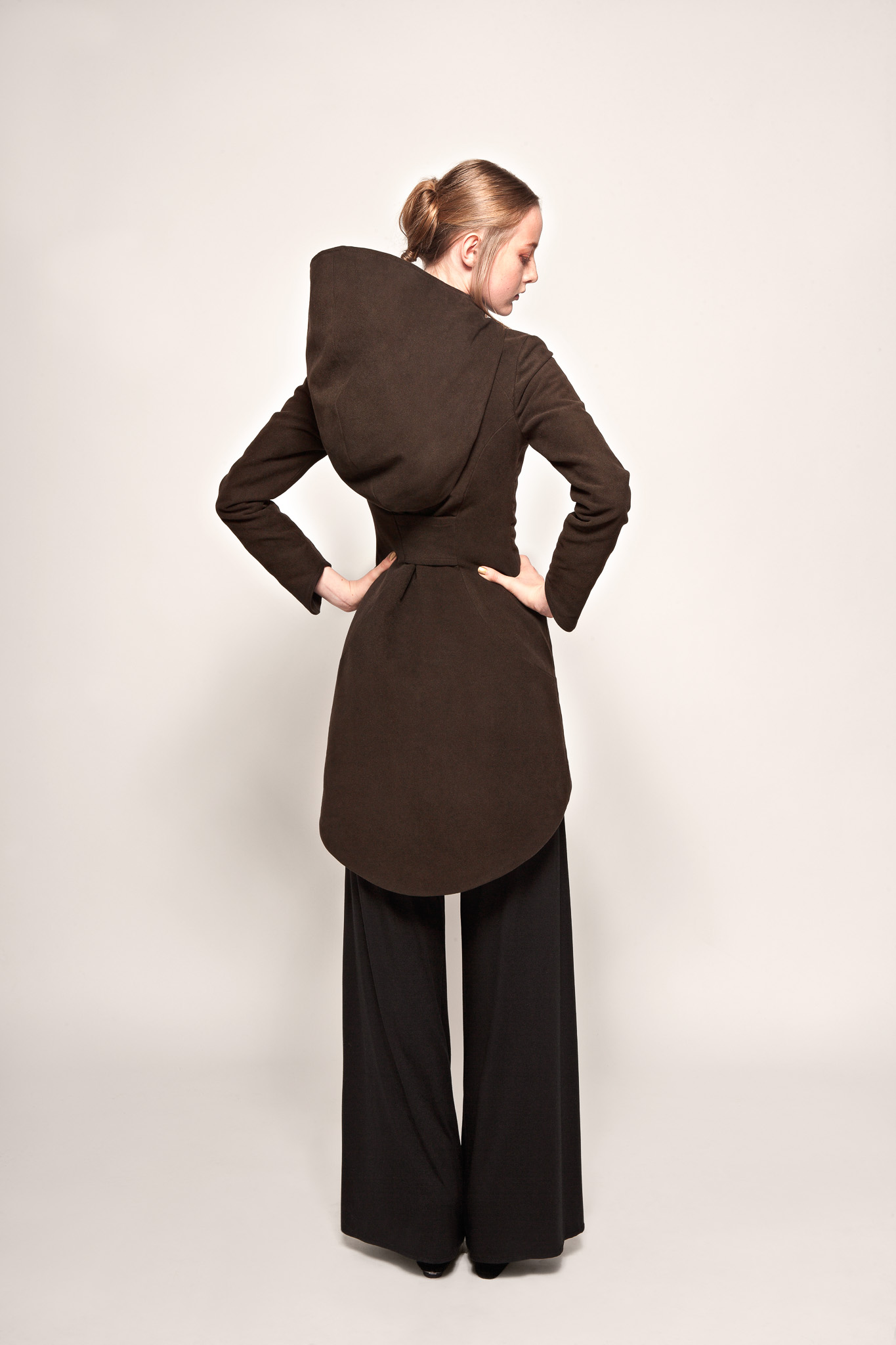
In The Rise, dark silhouettes make the relationship between body and volume especially visible. The waist draws the shape close before the lower sections open into a flare. Broad sleeves, upright collars and large hoods change the space around the arms and face. Follow a coat as the model turns: a shape that appeared contained from the front becomes more expansive in movement. The collection invites you to consider how much presence you enjoy in an outer layer, and where you want that presence to gather. You might be drawn to the frame around the head, the clear waist or the sweep that follows a step. Each offers a different way of inhabiting the silhouette.
The Awakening brings close shaping and generous volume into the same look. A defined waist meets a full sleeve; a high collar changes the outline around the face. Dark, brown and cream pieces sit alongside patterned surfaces, giving you several ways to follow the form. Look at where the fronts overlap and where the shape opens around the legs. The pale pointed hood offers another reading of the space around the head. Moving through the gallery, you can consider which combination of surface and silhouette draws you in. A pattern may make the gesture more visible, while a quieter surface lets the cut hold your attention.
The Fire gathers much of its volume around the upper body. Collars rise, sleeves expand and shorter hems leave the legs visible. Shaping and ties bring attention back towards the waist. In the black looks, the position of an arm reveals the breadth of the garment; taupe and rust give those proportions a different emphasis. Notice where the silhouette feels contained and where it opens. The collection offers a theatrical presence through the arrangement of coverage, volume and exposed space. Looking at the full figure helps you see which detail creates the effect you respond to, and how the pieces might take part in a presentation of your own.
Pale ivory and grey bring the folds and overlaps of The Flowing into view. Cropped shapes leave space around the waist, while raised collars and a hood give the upper silhouette definition. Follow the direction of a fold and the edge where one section crosses another. The garments retain an architectural quality even where the surface drapes. This meeting of openness and structure gives you something to explore as a wearer: which parts of the form feel light to you, and which give a sense of definition? The photographs offer several answers through the changing proportions around the neck, torso and waist.
The Water offers a small group of looks with relatively spare surfaces. In the pale dresses, raised necklines, front openings and uneven hems give the eye specific lines to follow. A hand in a pocket brings an ordinary gesture into the image. Alongside these shorter forms, a long black silhouette changes the proportion of the body within the frame. Look at where you first notice the person and where you begin following the garment. The collection gives you room to consider how a few well-placed details can shape an introduction: the frame near the face, a resting hand or the line carried towards the floor.
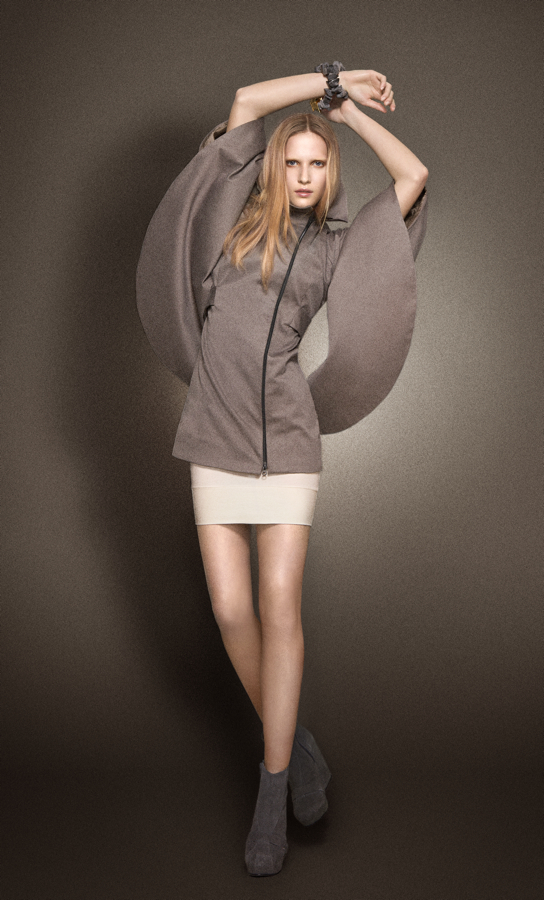
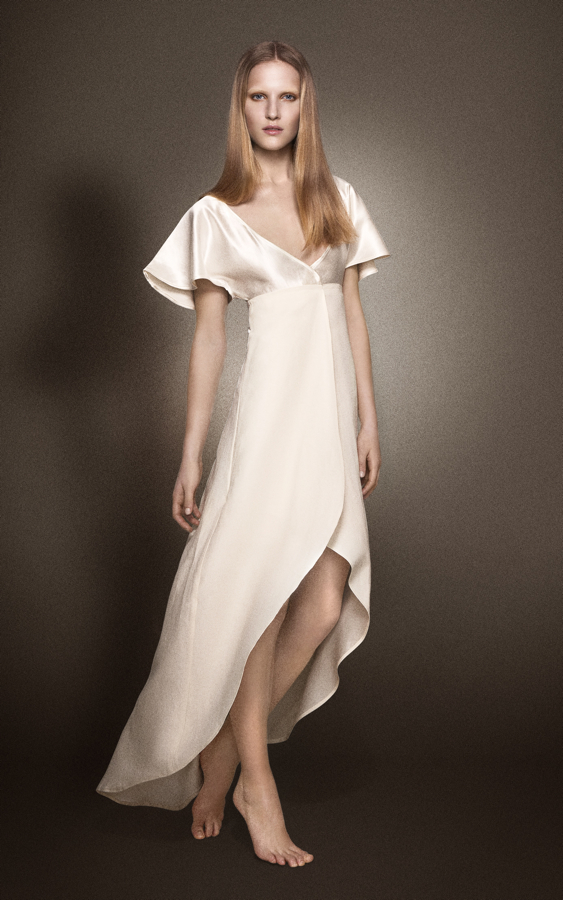
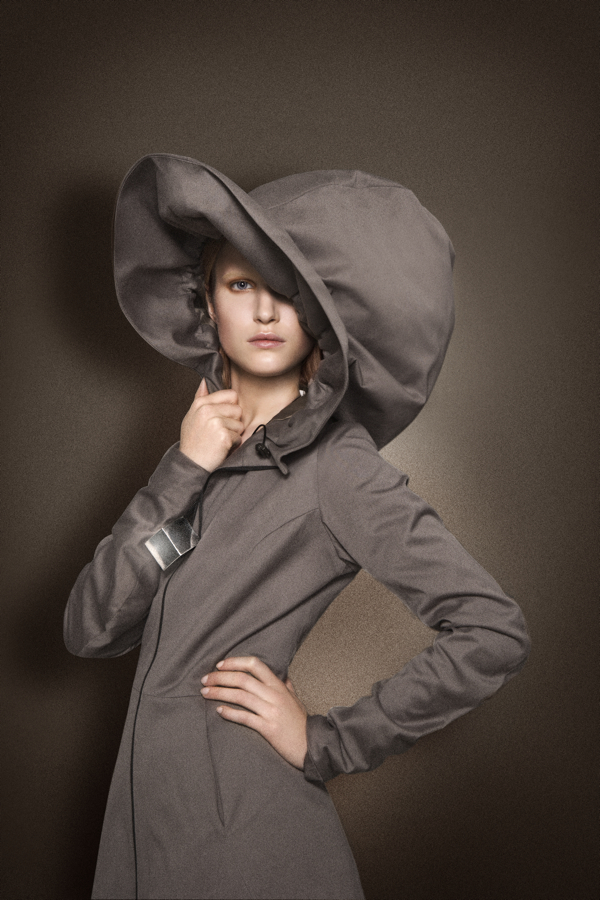
The Surreal asks you to look at the spaces within a silhouette. Rounded openings around the arms, an oversized hood and overlapping fronts change the relationship between a close waist and the volume surrounding it. Taupe and cream keep those decisions legible. In the longer pale look, the front opening gives the eye another route through the shape. A garment can frame the body through what it holds close and what it leaves open. Here, that relationship becomes a prominent part of the image. You might imagine the pleasure of an unfamiliar outline, or notice which opening makes the form feel most inviting to you.
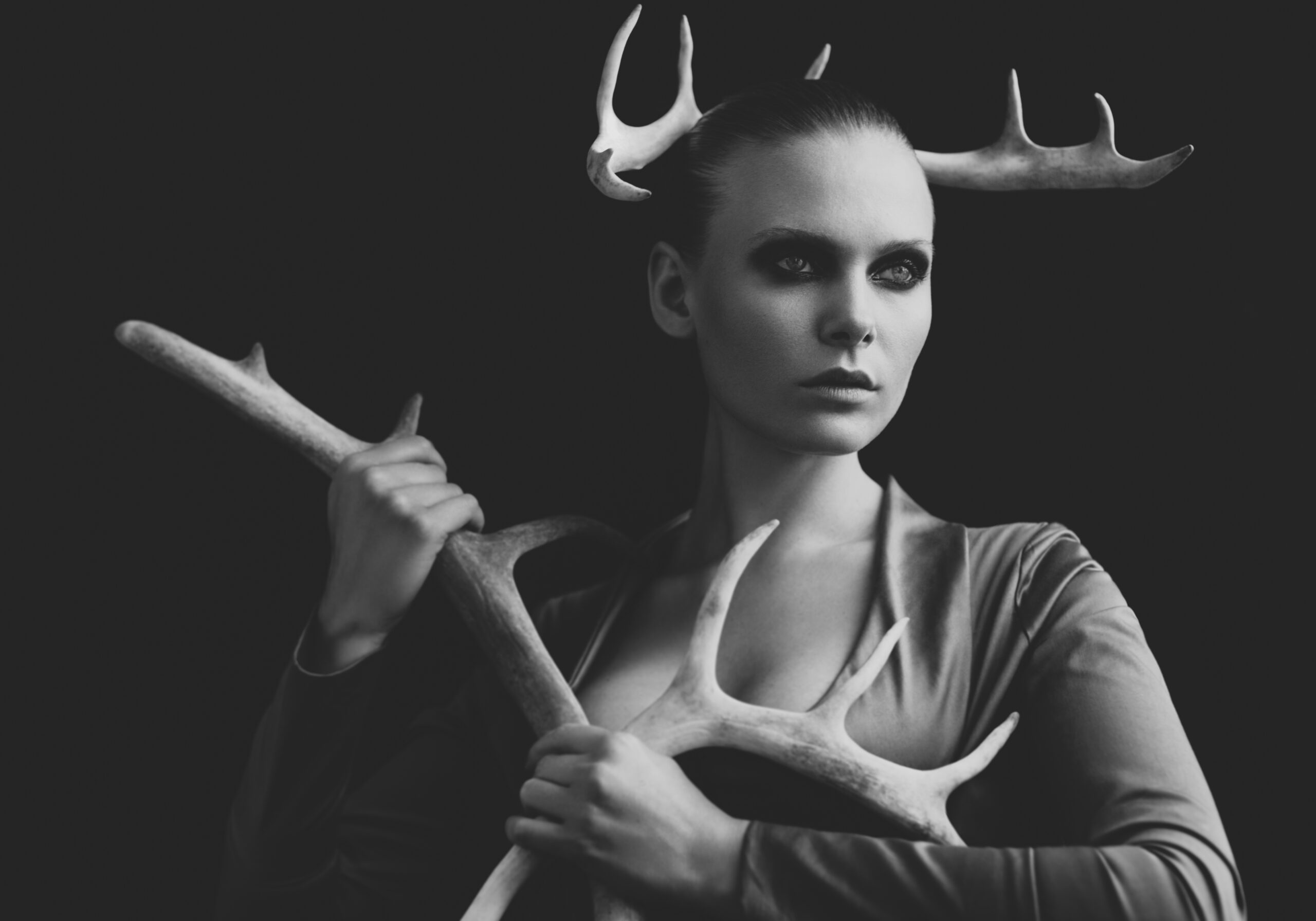
The Nature Of brings the clothes into a visual world of dark surroundings, branches, antler forms and closely framed faces. Patterned surfaces and linear details meet pale fabric and high necklines. The images invite attention to the relationship between a person and the atmosphere around her. Notice how a headpiece or branch changes your reading of the figure, then return to what the clothing contributes: a line near the face, a surface, an opening. The presentation makes it possible to explore how styling and setting participate in self-image. The same garment may suggest another story when it moves into a different environment.
The Breath brings several kinds of garment into conversation. Long and short dresses appear alongside trousers, a short sleeveless one-piece and outer layers. Rounded sleeves, sculptural hoods and waist definition create connections between the looks, while an orange jacket gives the gallery a distinct colour accent. Compare front and back views to see how the proportions continue around the body. The range lets you imagine more than one way of presenting yourself: the length of a dress, the emphasis of a jacket or a combination of separate pieces. A recurring interest in volume gives those possibilities a relationship without making them identical.
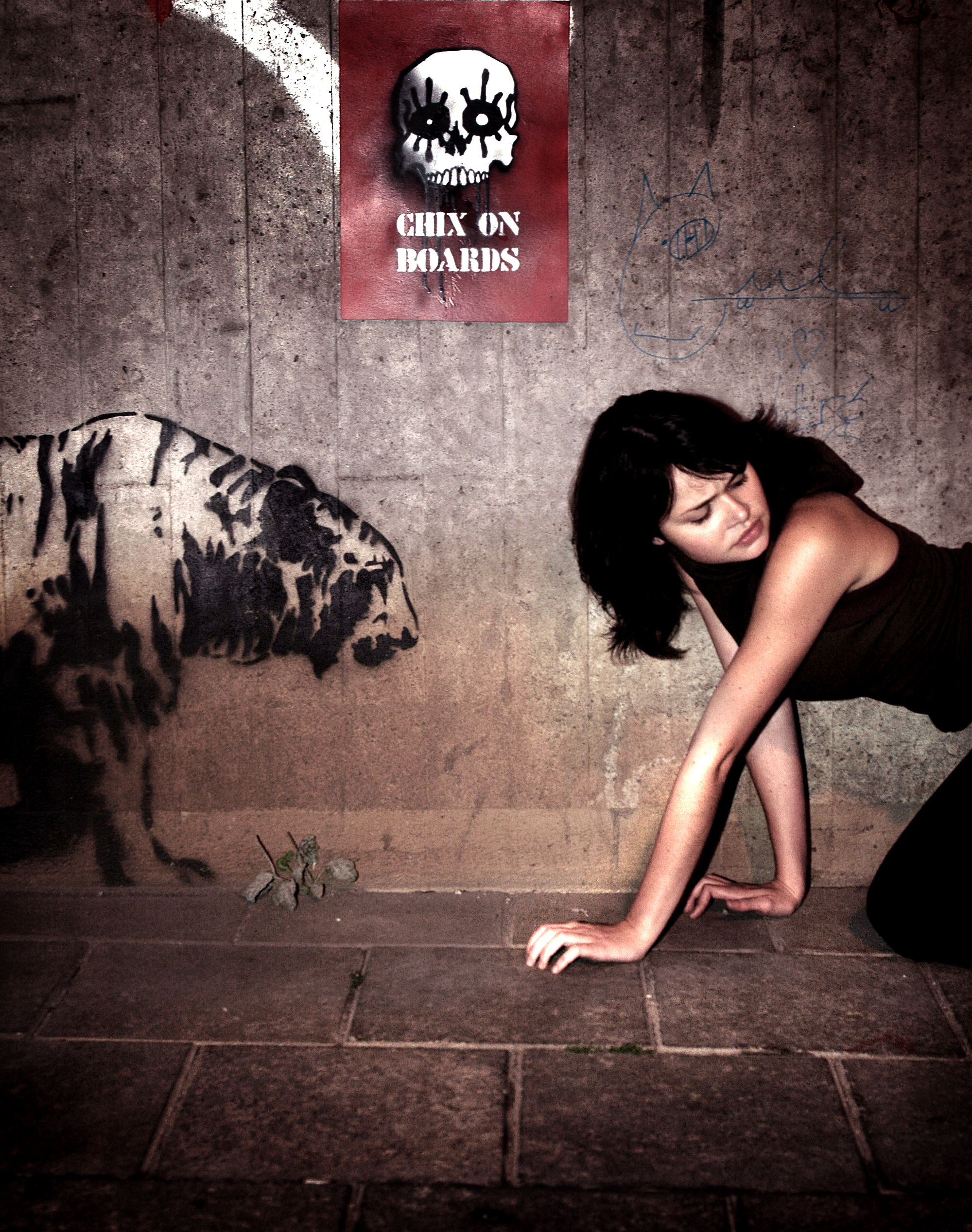
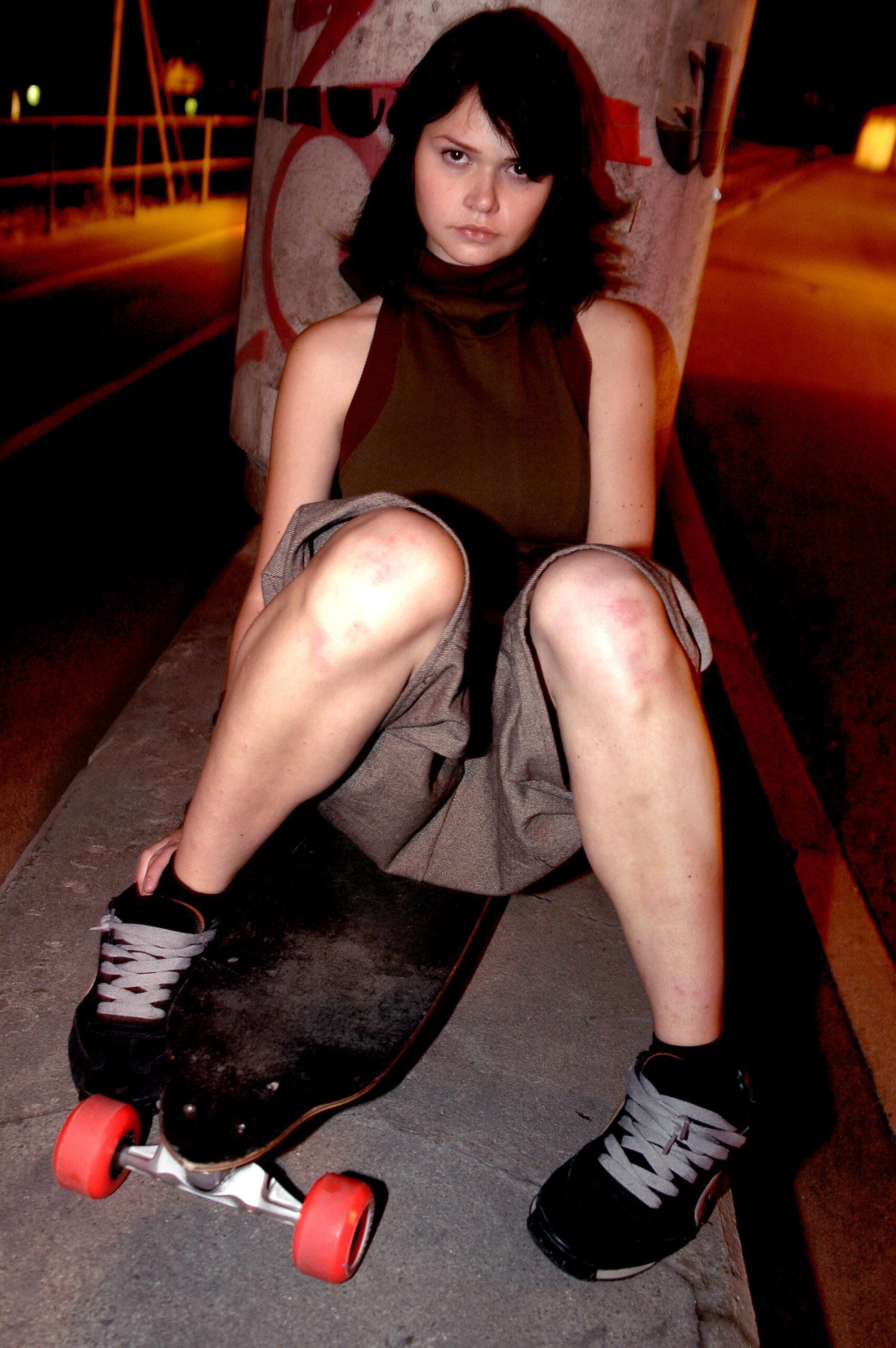
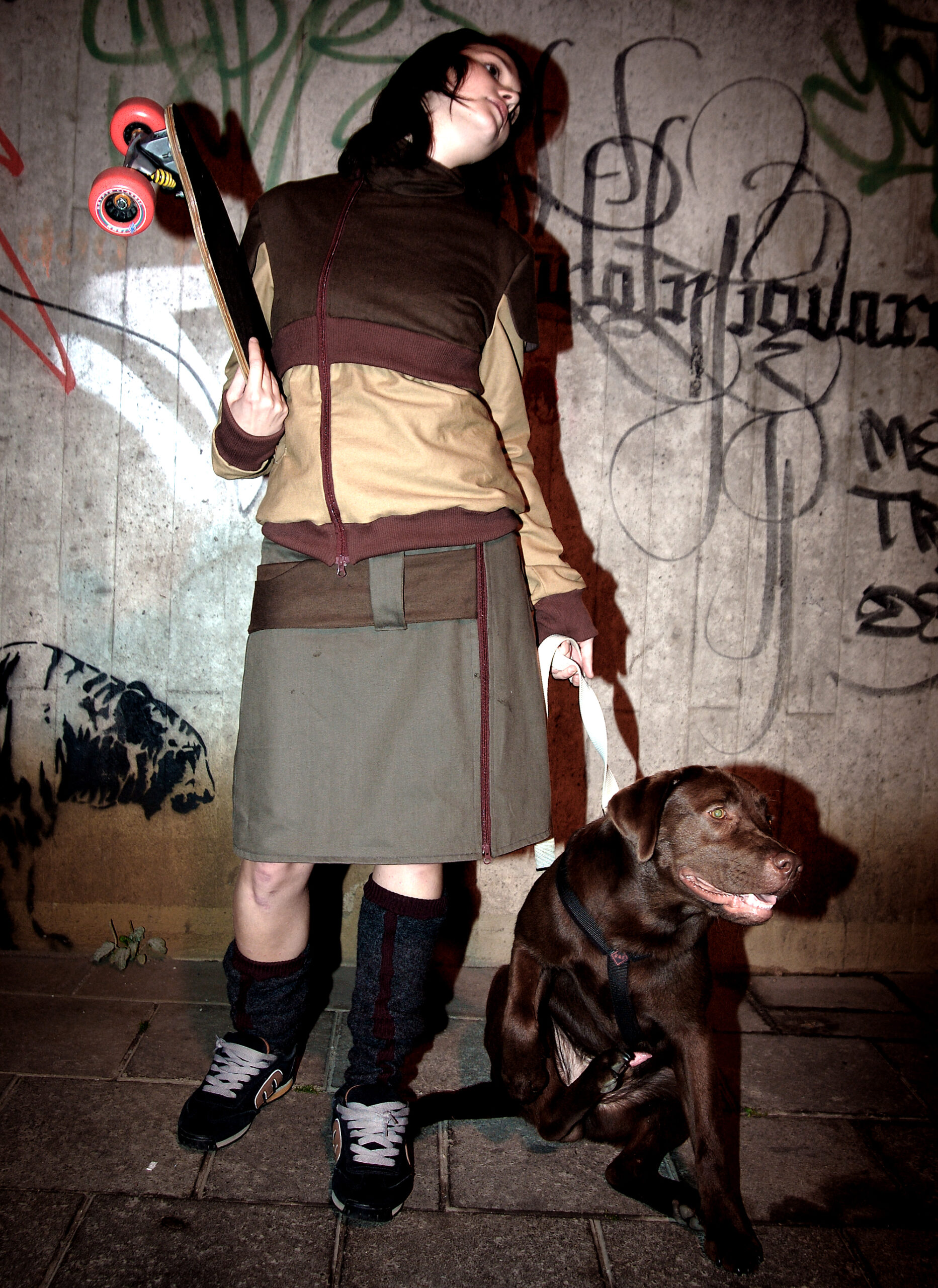
I created Chix on Boards with my cousin Anna Wellton in 2003. Shorts, skirts, cropped trousers and hooded or high-necked shapes appear in street and skate settings, with graffiti and everyday urban surfaces around them. Muted brown, olive and grey meet burgundy and tan details. The figures sit, crouch and occupy the space around their boards, giving the clothes a relationship with activity and place. Look at how a shaped waist or an expanded upper section continues to express something within that setting. The collection brings the question of self-presentation into a shared scene: what you choose to wear becomes part of how you participate and how others recognise you there.