Nine ways of shaping a silhouette, and the experience of wearing it.
The Rise
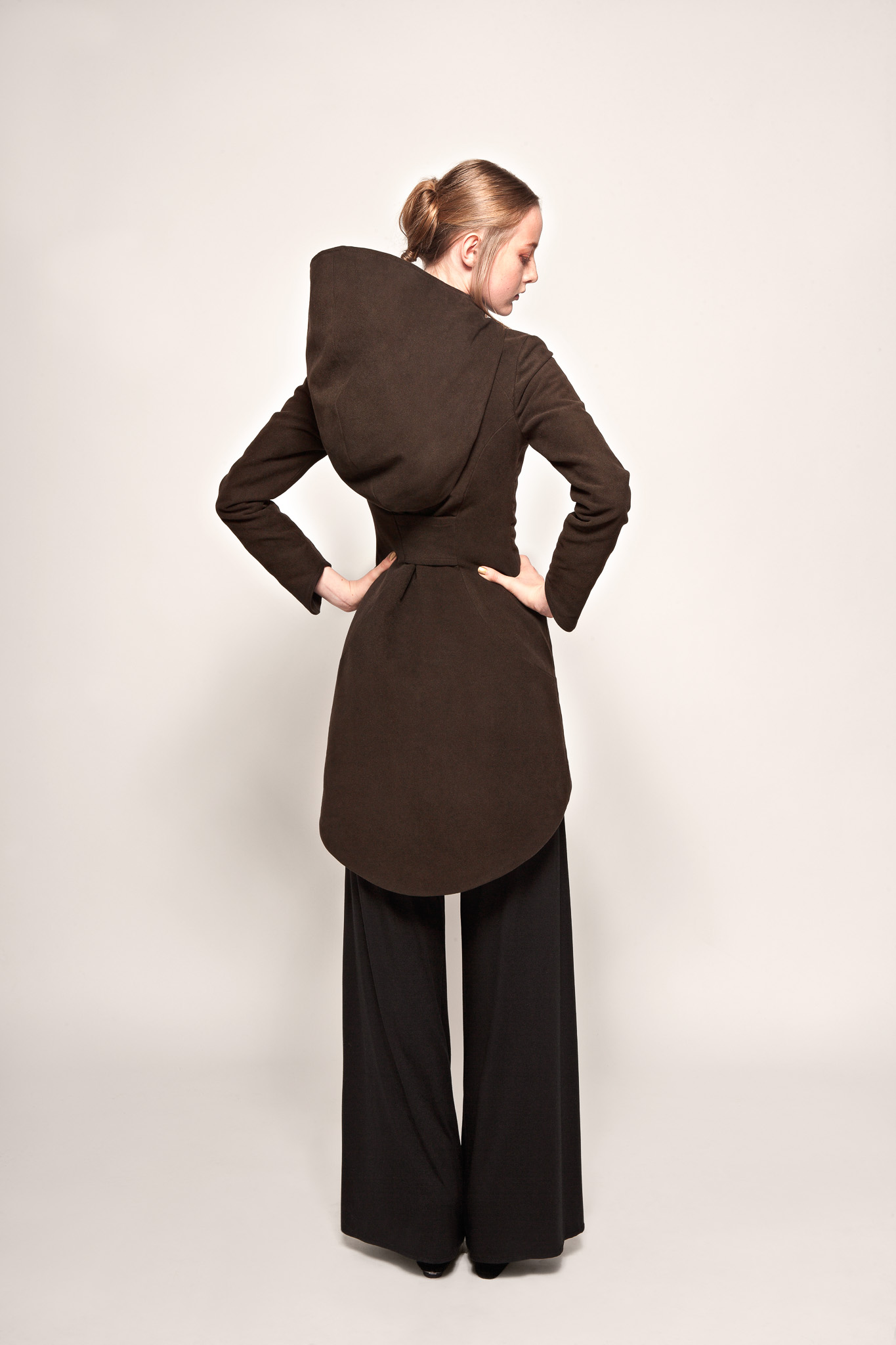
I have always loved the moment a coat becomes almost architectural, then softens again as the wearer moves. In The Rise, the waist holds the shape close while the hem and sleeves make room for a much larger gesture. A raised collar can feel like a private boundary; a sweeping hem can feel like a declaration. Look at the front, then follow the turn. A coat never has only one silhouette.
In The Awakening, I played with contradiction. A close waist against a generous sleeve. A dark surface against the sudden brightness of cream. An upright collar against a body preparing to move. The patterned pieces make these tensions visible in one way, the quieter ones in another. I want you to notice where your eye goes first, then what begins to feel possible when you imagine wearing the shape.
The Fire puts its energy high on the body. I wanted sleeves that could seem to expand beyond the arms and collars that could change the frame around a face. Black makes the construction feel emphatic; rust and taupe soften the encounter. Beneath that volume, the waist remains deliberate. When you look through the images, notice how an outstretched arm changes the mood of the same garment.
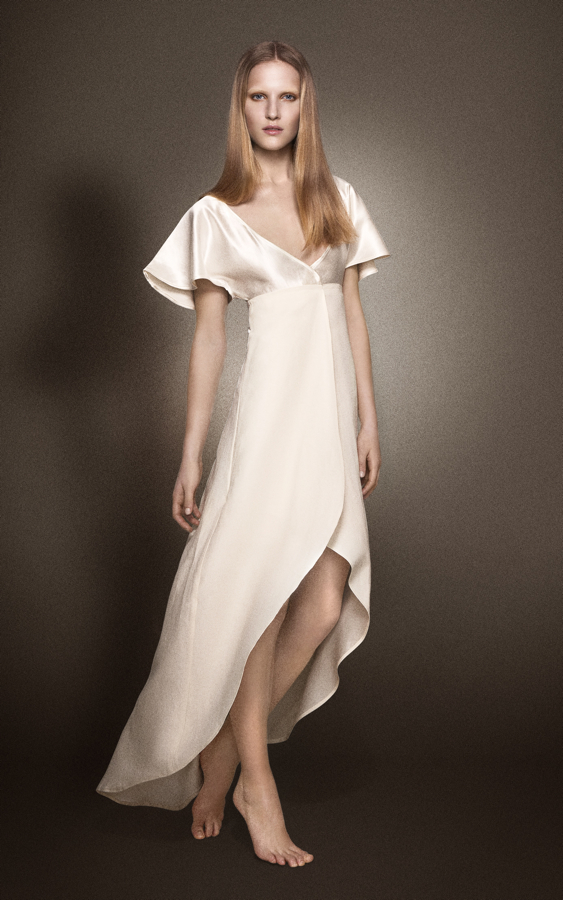
I kept the palette of The Flowing pale so the small decisions would be visible. A folded edge, the overlap of two fronts, the way the cloth leaves the waist bare: each speaks quietly, but with precision. I like clothes that don’t reveal everything in the first glance. Here, the shape grows clearer as you follow it with your eyes, and perhaps imagine how the fabric would move against your own body.
In The Water, there are few distractions from the cut. A neckline, a pocket, an uneven hem. These are the details I want you to meet first. The pale dresses carry one kind of ease; the longer black silhouette has a different gravity. Put yourself inside each outline for a moment. Which makes you want to stand differently, or to move, or to remain perfectly still?
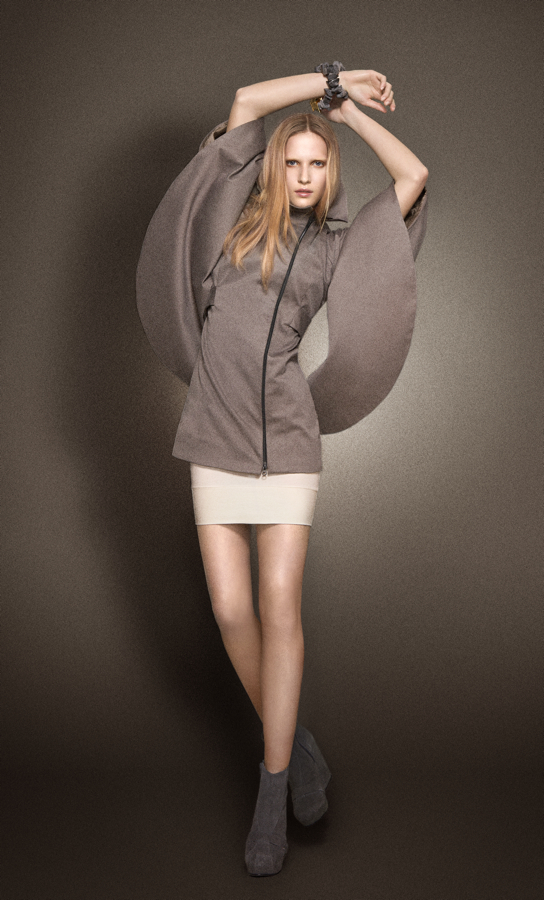
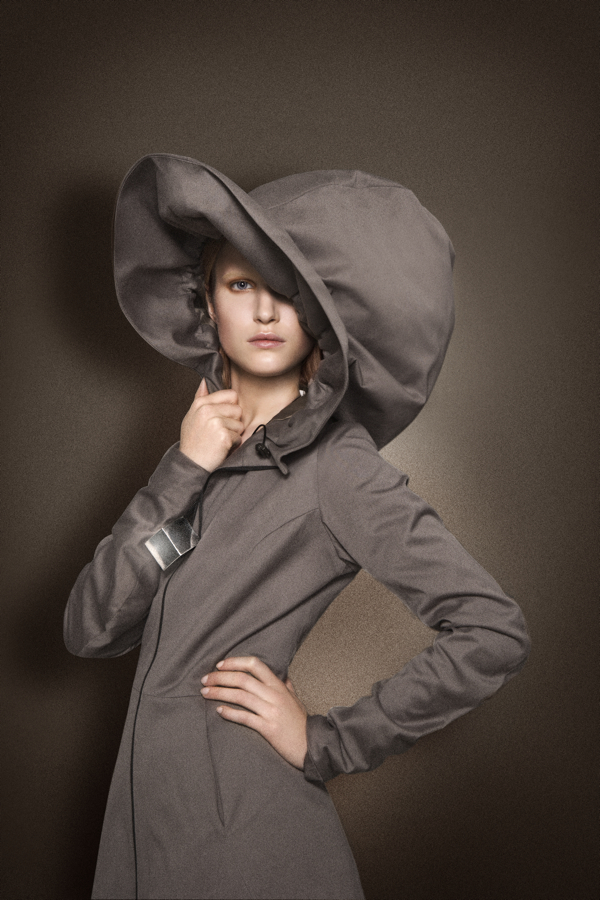
Empty space is part of a garment’s design. In The Surreal, rounded openings frame the arms and a hood redraws the space around the head. I wanted the familiar jacket or dress to become just strange enough that you look again. There is pleasure in that small disturbance: for a moment, you stop seeing what clothes are supposed to be and begin seeing what else they might do.
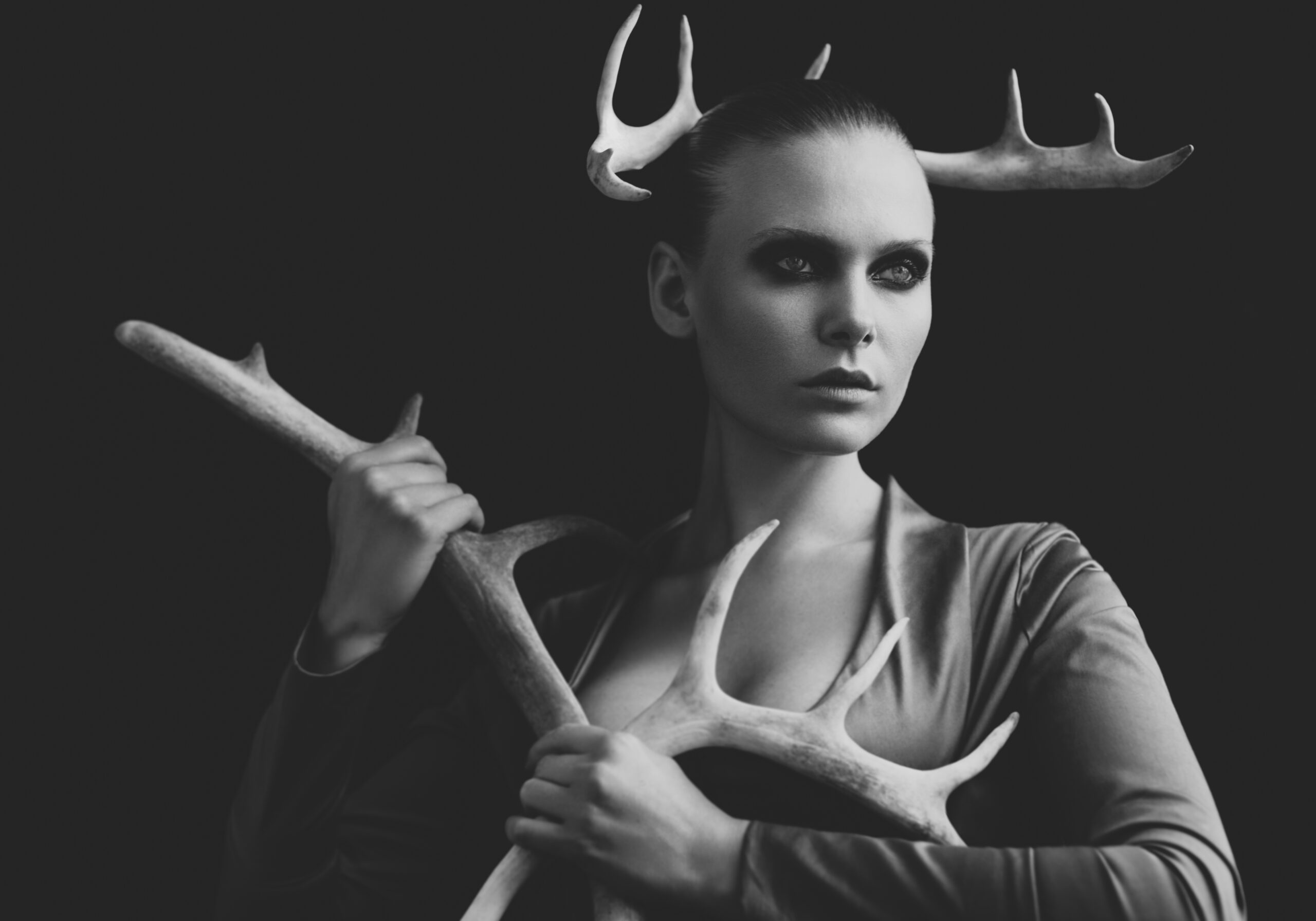
With The Nature Of, I brought the garments into a darker, almost otherworldly setting. Branches and antler forms change the outline of a body; a pale neckline becomes luminous against shadow. Styling is part of the language here. It lets a piece of clothing be encountered as a character in a larger scene. Look closely, then look at the whole image. I love how the meaning changes between those two distances.
I gave The Breath the freedom of a wardrobe rather than a single repeated silhouette. Dresses, trousers, a sleeveless piece and outerwear carry related ideas into different lives. Rounded sleeves and defined waists return, but never quite in the same way. The orange jacket interrupts the quieter colours like a sudden change of mood. This is what I enjoy about collections: a family resemblance with room for each piece to be itself.
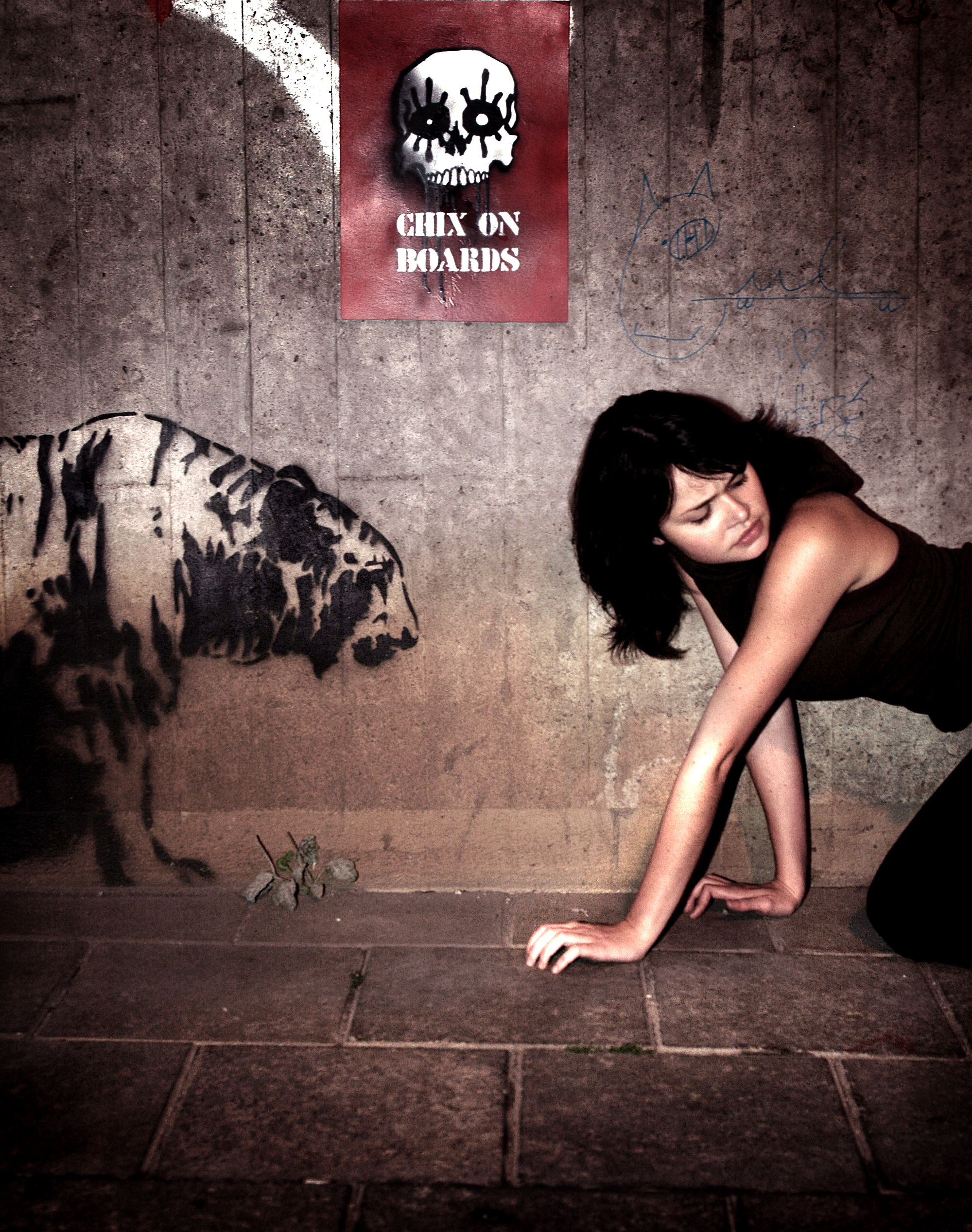
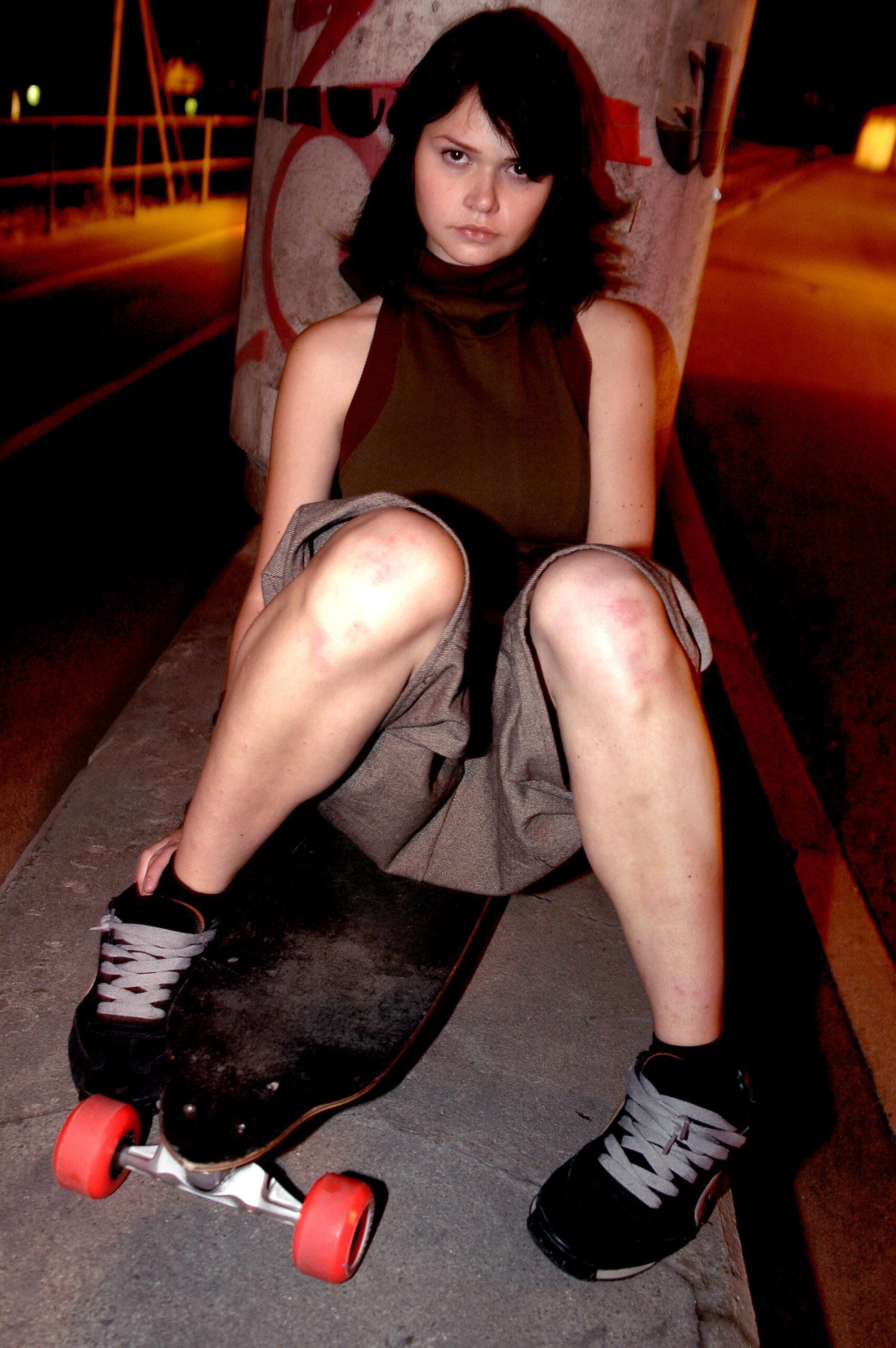
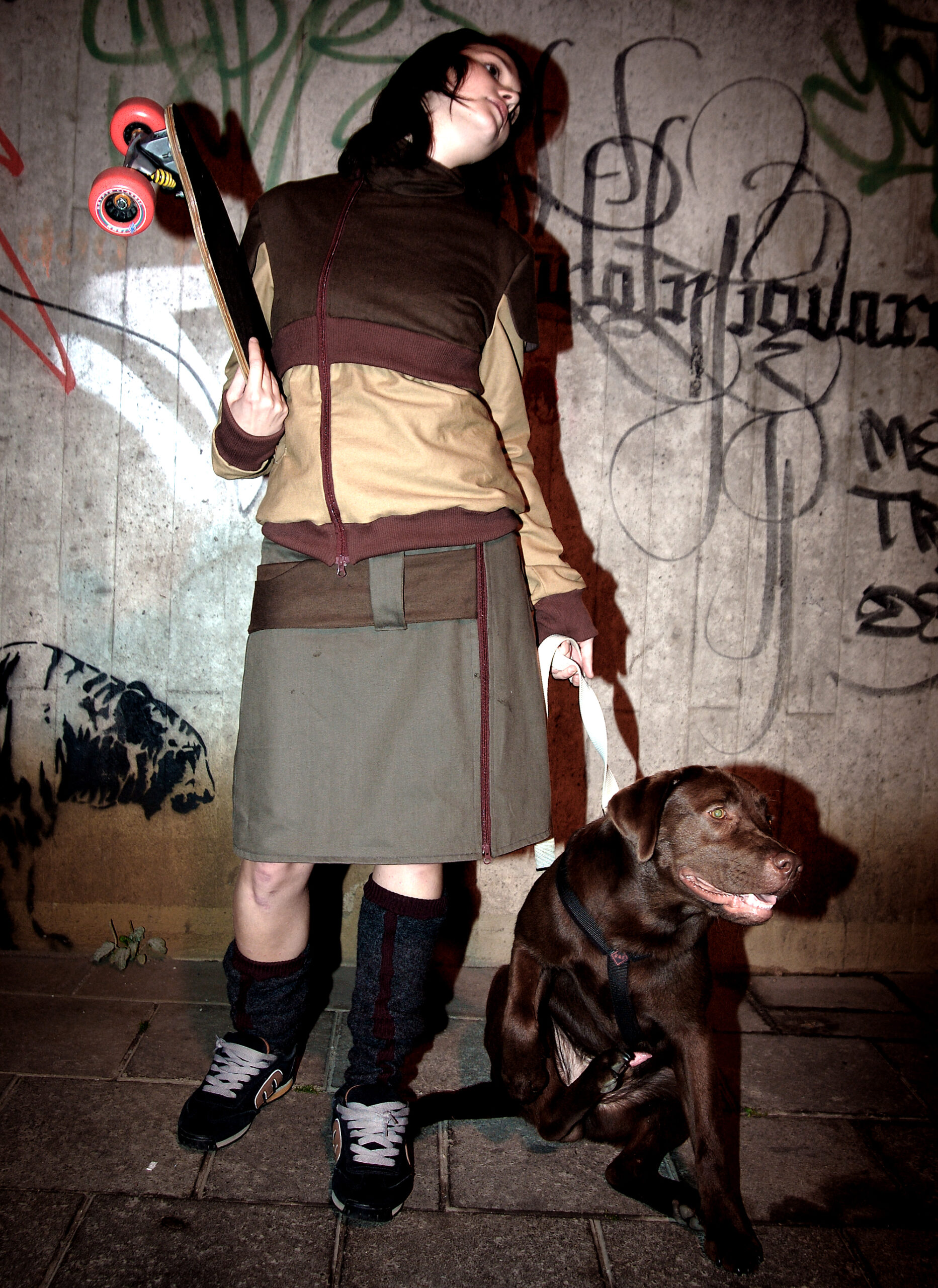
I created Chix on Boards with my cousin Anna Wellton in 2003. We brought the clothes into streets, skate spaces and the ordinary gestures of being together: sitting, crouching, waiting, moving. Hoods, cropped trousers, skirts and shaped waists belonged to that world. I still recognise my fascination with silhouette in these early images, but here it meets concrete, graffiti, longboards and the pleasure of having somewhere to go.