
CAMILLA WELLTON · DIARY
By Camilla Wellton
The outfit looks convincing. The proportions are beautiful, the lighting is generous and the fabric appears to fall with admirable cooperation. You can already imagine yourself wearing it. The picture has offered a possible self, and something in you has responded.
That response is part of fashion’s power. An image can give a desire enough form to become recognisable. It can help us see a possibility we had not yet found words for. What happens next interests me just as much: how does the imagined experience become something we can actually inhabit?
In Fashion in the AI Age, I explore the relationship between new tools, human intention and the making and wearing of clothes. AI introduces further ways of visualising an idea. The questions of material, construction and lived experience remain part of bringing that idea into the world.
A visual proposal can help a designer compare proportions or make an unfamiliar shape easier to discuss. Someone can point to a detail and say what they want to explore. The idea becomes available for another person’s response.
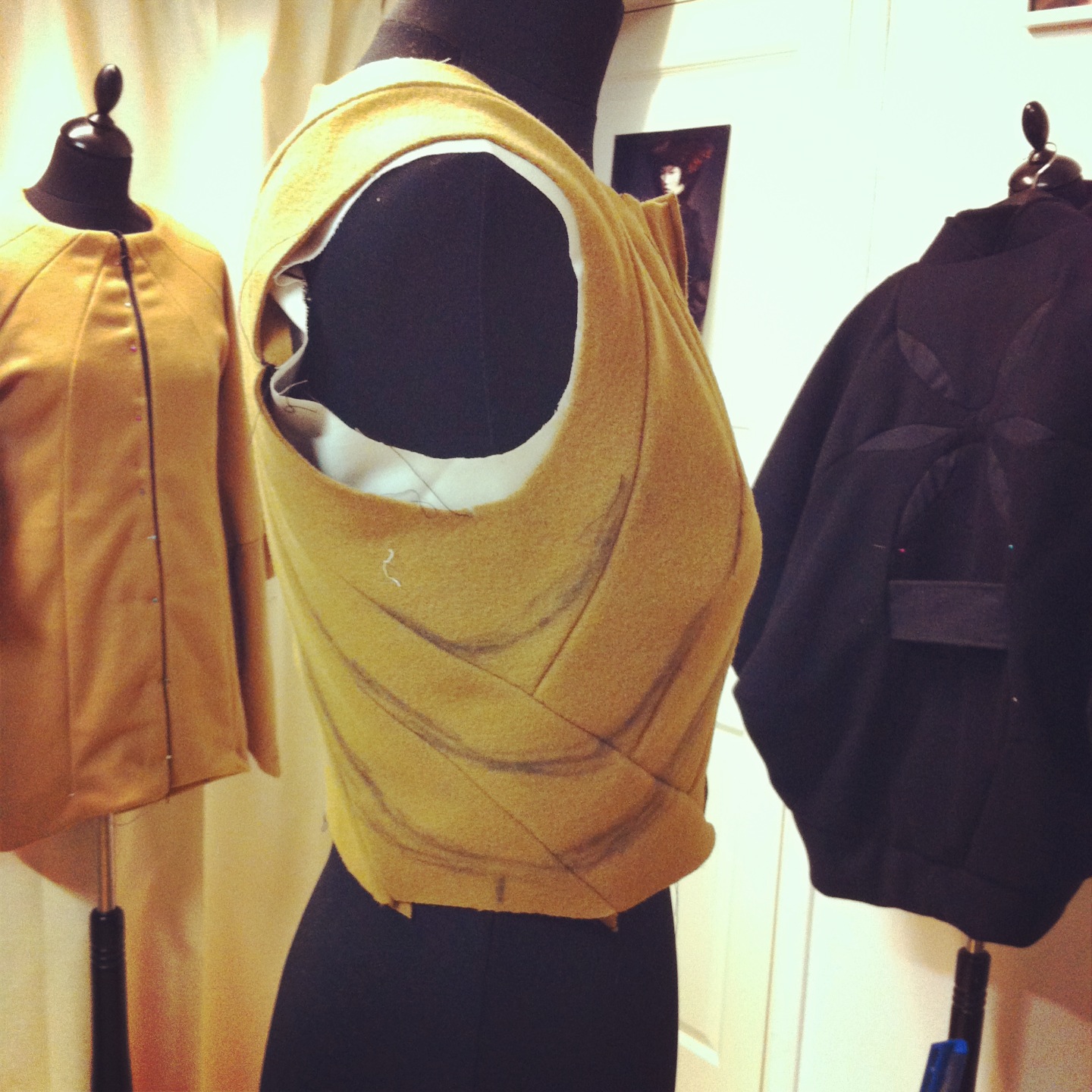
If it is to become clothing, construction adds a different set of questions. Where will the pieces join? What supports the volume? How does the fabric’s weight affect the outline? What happens when an arm moves through the opening?
Pattern cutting and sampling bring those questions into contact with material. A toile may reveal where a shape pulls or where an unexpected fold gives it more life. The making can improve the idea because it supplies information the image did not contain.
I love the act of expressing a feeling in something you can dress yourself inside of. Its magic includes this passage through practical decisions. A desire acquires seams, weight, texture and a relationship with a body. The art becomes part of an ordinary day.
Imagine being shown a coat similar to ones you have chosen before. The suggestion may suit you beautifully. It may also miss that you now cycle to work, carry a child or want to try a shape you once avoided.
Past preference is part of the story. The person choosing knows what has changed. She can explain that a pocket matters, that she wants more room around her shoulders or that she would like to feel more visible than she did last year.
She also learns by wearing. A striking piece may demand more adjustment than she enjoys giving it. A quiet one may become a favourite because it works so well with her movement. The meaning of the garment develops through repeated use.
When an image draws you in, pause over what you hope it offers. Is it the shape itself, the freedom suggested by the setting or the way the person seems to occupy the frame? You may want the garment. You may also have recognised a quality you would like more room for in your life.
Both discoveries can be useful. They make the next step more specific: examine the construction, check the measurements, try the piece or experiment with a similar proportion using what you already own.
Questions about materials, the people making the clothes and their life after purchase need their own information too. Beauty can invite that curiosity. An object becomes more interesting as we understand what allows it to exist and how we can care for it.
The picture has done something valuable if it helps you recognise a possibility. Following it into material and use lets you discover whether that possibility belongs in your life, and what shape it needs to take there.